

Educational institutions have long been recognized as foundational spaces for nurturing young minds, fostering growth, and shaping future leaders. However, the emergence of vaping has introduced a new challenge to the sanctity of these environments. Vaping, though often perceived as harmless, poses significant risks to both individual health and the overall quality of air within schools. In response, schools are embracing innovative solutions, such as vape detectors, to champion clean air initiatives and provide students with safe and conducive learning environments. This article delves into the role of vape detectors in schools, their functions, benefits, challenges, and the transformative potential they hold in enhancing the quality of air for educational excellence.
Clearing the Air of Vaping’s Implications
The prevalence of vaping among students has ignited concerns about the potential health consequences and air quality implications within school premises. The allure of vaping, fueled by enticing flavors and misguided perceptions, has prompted schools to address this issue head-on to ensure students’ well-being and the integrity of the learning environment.
The Ascendance of Vape Detectors
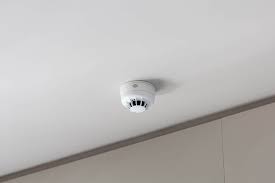
Vape detectors serve as champions of clean air within schools, equipped with cutting-edge technology to detect vaping activities and maintain air quality standards:
- Chemical Analysis: Armed with advanced sensors, vape detectors analyze the air composition for telltale markers of vaping aerosols, including volatile organic compounds (VOCs).
- Sound Recognition: State-of-the-art sound algorithms enable vape detectors to identify the unique auditory signatures of vaping devices, facilitating swift response.
- Visual Monitoring: Some vape detectors employ video analysis to recognize visual cues indicative of vaping behaviors, enhancing their effectiveness.
Advancing Clean Air Initiatives
The integration of vape detectors in schools offers a host of advantages aligned with clean air initiatives:
- Air Purity and Student Well-Being: Vape detectors play a pivotal role in maintaining air quality, minimizing potential health risks posed by exposure to vaping aerosols for both students and staff.
- Anti-Nicotine Advocacy: By discouraging vaping, these systems contribute to curbing nicotine addiction among students, supporting a healthier future.
- Policy Reinforcement: Vape detectors underscore school anti-vaping policies, fostering a culture of compliance, accountability, and personal responsibility.
- Data-Driven Insights: The data collected by vape detectors provide valuable insights into vaping trends, allowing schools to tailor targeted interventions.
Navigating Challenges and Ethical Concerns
While vape detectors offer a promising solution, certain challenges and ethical considerations warrant attention:
- Privacy Balance: The utilization of detection technology, especially video analysis, necessitates a delicate balance between ensuring student privacy and maintaining security.
- Precision and Reliability: Striking a balance between accurate detection and minimizing false alerts remains a technical challenge.
- Ethical Reflections: The incorporation of surveillance technology raises ethical discussions regarding its scope, impact, and implications for student autonomy.
Empowering Educational Excellence
Vape detectors symbolize more than mere technological tools; they epitomize a commitment to elevating school environments:
- Empowered Student Choices: The presence of vape detectors promotes awareness about the potential health hazards of vaping, empowering students to make informed decisions.
- Strengthened Policies: Vape detectors amplify the efficacy of school anti-vaping policies, promoting responsible behavior and fostering a culture of health and well-being.
- Collective Responsibility: By embracing vape detectors, schools embrace a collective endeavor to combat the vaping trend and prioritize the educational experience of their students.
Conclusion
“Clean Air Initiatives: Enhancing School Environments with Vape Detectors” encapsulates a transformative approach to addressing the vaping challenge within educational spaces. As schools continue their commitment to providing safe, nurturing environments for learning, vape detectors emerge as steadfast allies in the pursuit of clean air initiatives. By navigating the nuances of privacy, ethics, and technical accuracy, these systems stand at the forefront of a movement dedicated to safeguarding the well-being of students and creating a future where education thrives in an atmosphere of purity and excellence.