
ADA Bathroom Inspection: Ensuring Accessibility Compliance for All
In a world striving for inclusivity and equal access, the significance of ADA (Americans with Disabilities Act) compliance cannot be understated. Nowhere is this more critical than in bathrooms, where accessibility is paramount. An ADA bathroom inspection serves as a fundamental tool to ensure that public and private facilities meet the necessary requirements, providing a safe and accommodating environment for individuals of all abilities.
The Essence of ADA Compliance
The Americans with Disabilities Act, enacted in 1990, is a groundbreaking legislation that guarantees equal access to public spaces for individuals with disabilities. In the context of ada bathroom door, ADA compliance means creating spaces that are not only functional but also inclusive, accommodating individuals with mobility challenges, visual impairments, and other disabilities.
The Importance of Inspection
Conducting regular ADA bathroom inspections is essential to upholding the principles of inclusivity and accessibility. An inspection ensures that facilities are in line with ADA guidelines, helping to prevent potential legal issues while also demonstrating a commitment to meeting the needs of all patrons, employees, or residents.
Key Elements of an ADA Bathroom Inspection
- Entrances and Clearances: The inspection starts with assessing the entrance and clearances within the bathroom. Are doorways wide enough to accommodate wheelchairs? Is there sufficient maneuvering space within the bathroom stalls? These factors are crucial for providing accessibility.
- Grab Bars and Handrails: Properly placed and sturdy grab bars and handrails are essential for assisting individuals with balance and mobility. Inspections should check for the presence, positioning, and durability of these features.
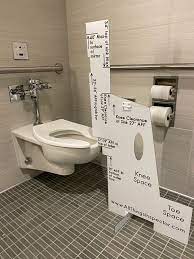
- Toilet Height and Space: ADA-compliant toilets are of a specific height and have adequate space around them to allow for easy transfers from wheelchairs. These factors contribute to user comfort and safety.
- Sinks and Countertops: Sink height, faucet controls, and countertop clearance are examined during inspections to ensure they are accessible to individuals using wheelchairs or other mobility aids.
- Accessible Fixtures: From soap dispensers to toilet paper holders, all fixtures within the bathroom should be positioned at appropriate heights for easy reach.
- Visual and Audible Signage: ADA requirements also extend to signage. Inspections include checking for visual and audible signs, ensuring that individuals with visual or hearing impairments can navigate the bathroom effectively.
- Flooring and Flooring Transitions: Flooring surfaces should be slip-resistant, and transitions should be smooth to prevent tripping hazards.
- Lighting: Adequate and evenly distributed lighting is crucial for individuals with visual impairments. Inspections ensure that bathrooms are well-lit without creating glare or shadows.
The Benefits of Compliance
An ADA-compliant bathroom serves not only individuals with disabilities but also families with strollers, elderly individuals, and anyone in need of assistance. By ensuring accessibility, establishments foster a sense of respect and inclusion, enhancing their reputation and customer satisfaction.
ADA bathroom inspection is not just a legal requirement; it’s a commitment to creating a world where everyone can access public spaces with dignity and ease. Facilities that prioritize accessibility through regular inspections send a powerful message about their values and their dedication to providing a safe and welcoming environment for all. With each inspection, we take one step closer to a more inclusive society—one where barriers are dismantled, and accessibility is the norm.

