Introduction:
Water damage can wreak havoc on homes and businesses alike, especially in a state like Florida where the risk of flooding from heavy rains, hurricanes, and tropical storms is ever-present. When disaster strikes, prompt and effective water damage restoration is crucial to mitigate further damage and restore the affected property to its pre-loss condition. In this comprehensive guide, we’ll explore the importance of water damage restoration in Florida, the key steps involved in the restoration process, and how to choose the right professionals for the job.
Understanding Water Damage in Florida:
Florida’s unique geographic location makes it particularly vulnerable to water-related disasters. From torrential downpours to storm surges, the state faces a myriad of water-related challenges throughout the year. Flooding, whether from natural disasters or plumbing failures, can cause extensive damage to buildings, belongings, and infrastructure. In addition to structural damage, water intrusion can also lead to mold growth, which poses serious health risks to occupants. Florida water damage restoration services are crucial for mitigating damage and restoring properties affected by flooding or leaks.
The Water Damage Restoration Process:
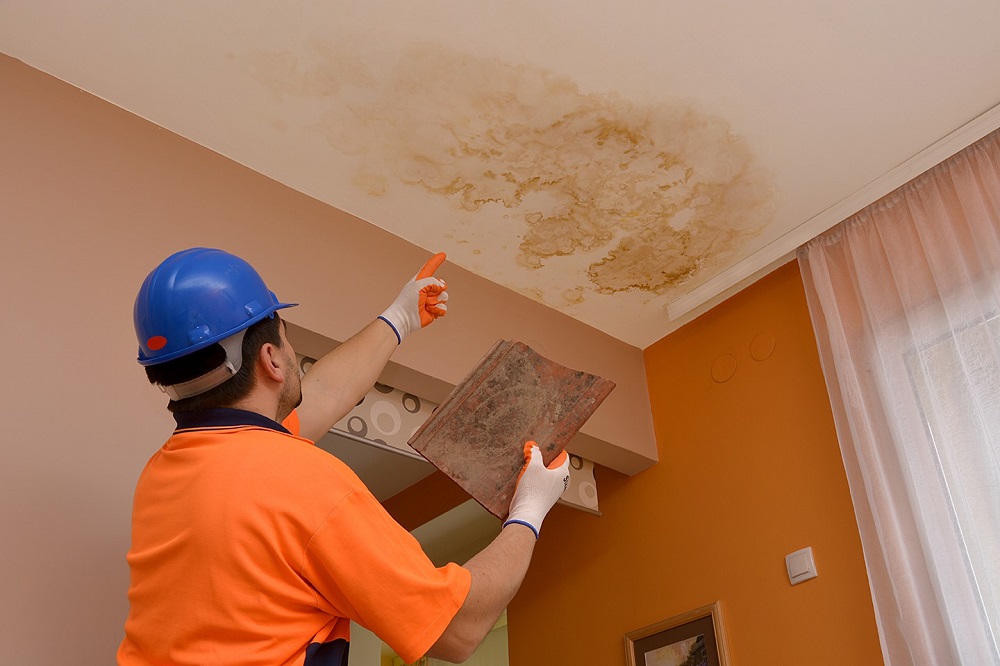
- Assessment and Inspection: The restoration process typically begins with a thorough assessment of the extent of the water damage. Trained professionals evaluate the affected areas, identify the source of the water intrusion, and determine the category and classification of the water damage (clean water, grey water, or black water).
- Water Extraction: Once the assessment is complete, the next step is to remove standing water from the premises using specialized pumps and extraction equipment. Prompt water extraction is crucial to prevent further damage and minimize the risk of mold growth.
- Drying and Dehumidification: After water extraction, the affected areas are dried using high-powered fans, dehumidifiers, and other drying equipment. This helps remove moisture from the air and materials, preventing mold and mildew from thriving.
- Cleanup and Sanitization: Once the drying process is complete, the restoration team cleans and sanitizes the affected areas to eliminate any remaining contaminants and prevent bacterial growth. This may involve disinfecting surfaces, removing debris, and deodorizing the space to eliminate musty odors.
- Restoration and Repairs: The final step in the water damage restoration process involves restoring the property to its pre-loss condition. This may include repairing damaged walls, floors, and ceilings, replacing flooring and drywall as needed, and restoring or replacing damaged belongings.
Choosing the Right Professionals:
When it comes to water damage restoration in Florida, it’s essential to choose a reputable and experienced restoration company. Look for professionals who are certified by the Institute of Inspection, Cleaning and Restoration Certification (IICRC) and have a proven track record of successfully handling water damage emergencies. Additionally, ensure that the company offers 24/7 emergency response services, as water damage can occur at any time.
Conclusion:
Water damage can be devastating, but with prompt and professional restoration services, affected properties can be restored to their former glory. By understanding the water damage restoration process and choosing the right professionals for the job, homeowners and business owners in Florida can navigate water-related disasters with confidence, knowing that help is just a phone call away.